Your Cart is Empty


In this article
Changes in how you pee are easy to put off. A GP hears about them every week. A few minutes of preparation makes the appointment quicker and more useful.
Before you go
- Write down what you have noticed: what changed, when it started, how often, and whether it is getting worse.
- Note anything else going on, such as pain, a high temperature, blood in your urine, or getting up at night.
- List any medicines you take.
- If you want to ask about a PSA test, write that down too. Our article on urinary and pelvic symptoms in men explains what the test is and its limits.
What to say
Say it plainly. For example:
- "I've been getting up three times a night to pee for the last two months."
- "My flow is weak and it takes a while to start."
- "I've got pain in my pelvis and I'm worried about it."
You do not need medical terms. Being specific about how long and how often helps most.
What may happen next
The GP may ask questions and talk through whether a PSA blood test or further checks are right for you. If there is a chance of prostate cancer, you may be referred to a specialist, where you would have an MRI scan. A biopsy may follow if the specialist needs to find out more.
Waiting for results
It can take a few weeks to get the results of your tests. If your symptoms get worse, or you are still waiting to hear after 2 weeks, you can call the hospital or contact your GP for an update. You may want to bring someone with you for support.
Where to get support
Macmillan Cancer Support has a free helpline, open every day from 8am to 8pm, on 0808 808 00 00. Prostate Cancer UK also offers information and support.
If something is urgent
Do not wait for an appointment. The warning signs, and when to call NHS 111 or 999, are in our urinary and pelvic symptoms article.
Next step: back to Men's health and pain.
Sources
- NHS. Tests and next steps for prostate cancer (last reviewed 31 July 2025).
- NHS. PSA test.
- Prostate Cancer UK. prostatecanceruk.org.
Explore the range

Recovapro Lite Massage Gun with Charging Mat
Percussion for your everyday routine.
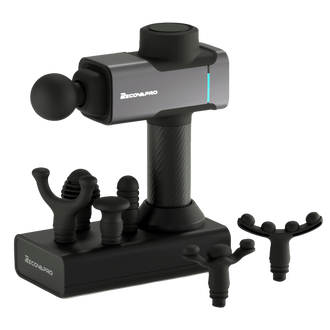
Recovapro Max with docking station
The flagship massage gun.